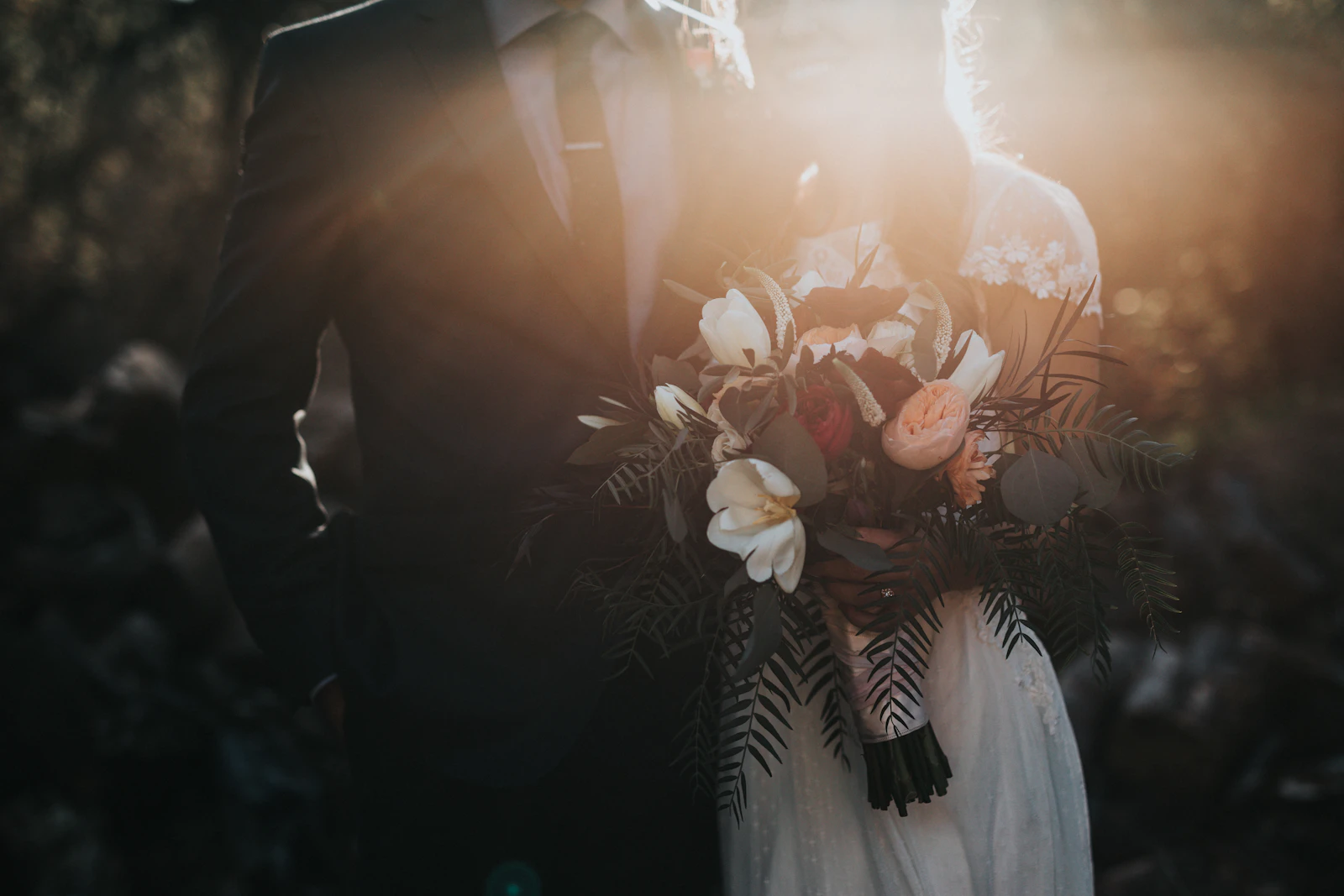
Wedding Cake: Flavors, Design, and Prices
2026 Wedding cake: popular design styles, flavor combinations, how to calculate quantities, and real prices per portion in Bulgaria today.

The wedding cake is a central part of the evening's visual program — it is cut in front of all the guests and remains in the wedding photographer's photos forever. Good planning involves three steps: choosing a style, choosing a flavor, and accurately calculating the quantity based on the number of guests.
What exactly is a wedding cake and why its choice matters
Unlike a regular celebration cake, a wedding cake is usually multi-tiered, coordinated with the color scheme of the wedding decoration, and served as the final highlight of the evening, often with a cake-cutting ritual and the first dance immediately following. Beyond the taste, the pastry chef must ensure a stable construction that can withstand hours at room temperature in a hall or restaurant without the creams running or the tiers tilting.
Many couples underestimate the logistics — transport, on-site assembly, and temperature control in the venue's kitchen. Therefore, it is advisable to clarify these details in writing with the pastry chef during booking, not in the final week.
How to choose a pastry chef
In addition to taste and vision, a good pastry chef should have specific experience with wedding cakes — they differ from birthday cakes because they must withstand transportation and hours of display. Look for a portfolio with real photos from delivered weddings, not just studio shots, and ask about experience with the venue where your celebration will take place.
- Request photos of a real delivered cake, not just studio shots
- Ask what structural support elements are used for more than 2 tiers
- Clarify whether delivery and on-site assembly are included in the price
- Check if they offer alternatives for guests with allergies or vegans
Popular design styles in 2026
- Classic multi-tiered with fondant — smooth, sculptural, suitable for formal weddings
- Naked cake with exposed sponges — a warm, natural look for outdoor weddings
- Semi-naked with light ganache — a compromise between look and structure
- Modern minimalist — with one dominant texture or geometric detail
- Floral heavy — covered with fresh or sugar flowers coordinated with the bouquet
- Textured buttercream — with a wavy or "palette knife" cream texture
The choice of style usually follows the general visual concept of the wedding. If the hall and decoration are in warm, earthy tones, naked cake or semi-naked options fit more organically, while a classic hall with crystal chandeliers usually "demands" a smooth fondant cake with a more formal finish.
Classic flavor combinations
- Vanilla with strawberries and white chocolate — a universal choice liked by most guests
- Chocolate with raspberries and ganache — richer, for dark chocolate lovers
- Lemon with mascarpone and blueberries — a refreshing option for a summer wedding
- Caramel with pear and walnuts — a warm profile suitable for an autumn wedding
- Pistachio with rose and white chocolate — a modern, more luxurious choice
- Carrot cake with orange cream and walnuts — a denser alternative outside the classics
It is good practice to choose two different flavors for different tiers — this gives guests with different preferences a choice without complicating the design visually. Some patisseries also offer a third, smaller "family" tier with a separate flavor specifically for the newlyweds, which is frozen and eaten on the first anniversary.
How much cake do you need according to guest count
A standard portion is about 100 grams. For a wedding with 100 guests, this means approximately 10 kg of cake. If you are also planning a dessert bar with mini sweets, you can safely reduce the cake quantity by 30–40%, because some guests will take from the bar instead of a second slice. Also keep in mind that not all guests eat cake — children and older guests usually take smaller portions.
| Guest count | Cake quantity | Without dessert bar | With dessert bar |
|---|---|---|---|
| 50 | ~5 kg | Sufficient | Reduce by 30% |
| 100 | ~10 kg | Sufficient | Reduce by 30–40% |
| 150 | ~15 kg | Sufficient | Reduce by 30–40% |
| 200 | ~20 kg | Sufficient | Reduce by 40% |
Real wedding cake prices in Bulgaria
The price depends mainly on the complexity of the decoration and the number of portions. For naked or semi-naked cakes, prices start from around 3,30–5,60 € per portion 1, while for more complex designs with sugar paste or many fresh flowers, the price is determined individually after clarifying the vision 2. Some patisseries in smaller towns offer top-tier cakes with ready-made sets of portions at a price of about 45–55 € for 10 pieces, with additional portions added individually 3. For a wedding with 100 guests, this practically means a budget between approximately 350 and 900 €, depending on the taste and decoration.
Separate fees for delivery outside the city, tasting (usually a symbolic amount returned upon ordering), and on-site assembly on the day of the event are often added to the price of the cake itself. Ask in advance if these costs are included in the quote to avoid last-minute surprises.
Fresh or sugar flowers on the cake
If you plan to have fresh flora directly on the cake, clarify with the florist and pastry chef which flowers are safe for food contact — not all decorative flowers are non-toxic, and some release sap that can stain the cream. A safer alternative is sugar flowers, hand-modeled to look identical to real ones, or placing fresh flowers on a protective layer of cellophane between them and the cake.
Tasting: what to expect
Most patisseries offer a paid tasting by appointment, usually a week in advance. During the tasting, you try 2–3 flavors and discuss the cake's structure — how many tiers, what support elements, and how it will be transported to the restaurant on the wedding day. It’s a good moment to bring a sample of the decoration colors or a photo of the bride's dress to coordinate the color scheme on the spot.
When to order the wedding cake
- 4–6 months before the date — initial contact and booking the pastry chef
- 3–4 months before — flavor tasting
- 6 weeks before — final design and color scheme
- 2 weeks before — confirmation of the exact number of guests and portions
If you are still arranging the sequence of suppliers, add the cake to the wedding planning checklist to ensure you don't miss the booking deadline — popular pastry chefs during peak season (May–October) fill their calendars months in advance.
Alternatives to the classic multi-tiered cake
A multi-tiered cake is no longer the only option — more and more couples are combining a smaller decorative cake (a dummy cake with a real top tier for cutting) with a separate dessert bar for guests. This solves both a visual and practical problem: the cake looks impressive for photos, and the dessert bar offers variety without relying on just one flavor.
- Croquembouche — a tower of choux pastry with caramel, a French classic for a more unconventional wedding
- Cupcake tower — easier to serve, with no need for cutting
- Macarons and mini desserts at a dessert bar — a variety of flavors for every guest
- Dummy cake with a real top tier — a decorative base for photos, where only a small real part is cut
How to combine a cake with a dessert bar
If choosing a combination, plan for the cake to be smaller — 2 tiers instead of 4, for example — and direct the budget towards the dessert bar. Coordinate both items visually with the pastry chef so they don't look like two separate, unrelated elements on the table.
Transport and storage on hot days
Summer outdoor weddings pose an additional challenge for cream cakes — buttercream and ganache soften quickly above 25–26°C. If your wedding is in July or August, discuss alternatives with the pastry chef like fondant coating (more heat-resistant) or delivery as close to the cutting moment as possible, instead of hours in advance. Also ask if the venue has a refrigerated room or air-conditioned hall for storage until the evening.
The top tier for the first anniversary — tradition and practice
The tradition of saving the top, smallest tier of the cake to be eaten on the first wedding anniversary is still popular here. In practice, this requires careful packaging immediately after the celebration — a double layer of plastic wrap and placement in a plastic bag before freezing so it doesn't absorb freezer odors. After 12 months, the cake loses some of its texture, so many pastry chefs offer an alternative — a mini-cake with the same flavor, baked specifically for the anniversary instead of freezing.
Common mistakes when choosing a wedding cake
- Ordering too close to the date when the favorite pastry chef is already booked
- Overlooking allergies and dietary needs of guests (no vegan or gluten-free option)
- Lack of a written agreement for delivery and on-site assembly
- Choosing a design that doesn't fit the overall vision of the decoration and the hall
Frequently Asked Questions
How much does a wedding cake for 100 people cost?
Usually between 350 and 900 €, depending on the complexity of the decoration and number of tiers, at a portion price of around 3,30–9,20 €.
When should I order the wedding cake?
Ideally 4–6 months before the date, with a tasting 3–4 months before and final confirmation of numbers 2 weeks before the wedding.
Can we have more than one flavor?
Yes, it is common practice for different tiers to have different flavors so guests have a choice.
What is a naked cake?
A cake without fondant or thick cream on the outside, where the structure of the sponge is visible — a popular choice for outdoor weddings.
Is a separate delivery for the cake needed?
Yes, most patisseries charge for delivery and on-site assembly separately, especially for multi-tiered constructions.
What should we do if we have guests with allergies?
Notify the pastry chef in advance — most offer gluten-free or vegan alternatives, usually as a separate small tier or individual portions.
Can we combine a cake with a dessert bar?
Yes, it is common practice to have a smaller decorative cake for cutting and photos plus a dessert bar with mini sweets for guests — coordinate the vision with your chosen pastry chef.
How do we save the top tier for the anniversary?
Wrap it well in a double layer of foil and a plastic bag before freezing. Some pastry chefs also offer an alternative — a new mini-cake with the same flavor instead of freezing.
Sources