
Wedding Website: Why It's a Must-Have for 2026
Why every couple needs a wedding website — RSVP, program, gallery, and lodging in one place. Costs, timing, and how to choose the right platform.
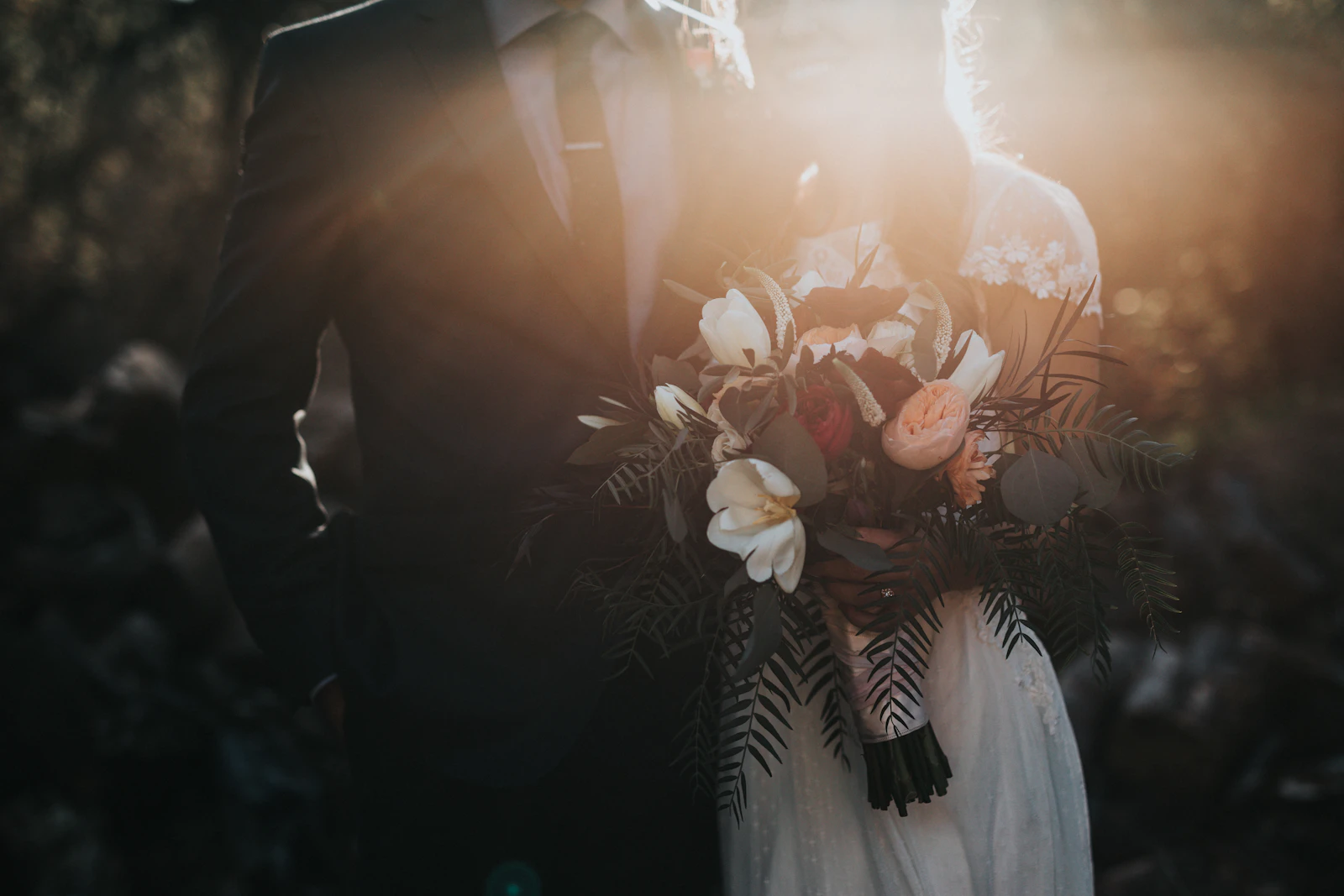
A wedding website is essential because it replaces dozens of calls, messages, and spreadsheets with a single location where guests can find the date, address, program, and RSVP form themselves — while you see all responses automatically collected in one place. For a couple with over 50 guests, it realistically saves hours of coordination in the final weeks before the wedding.
What Exactly Does a Wedding Website Do
Unlike a paper invitation, a wedding website is a living document — you can update it until the last minute. If the time of the church ceremony or the restaurant address changes, all guests see the updated information immediately, without you having to catch up with them over the phone.
- Home page with names, date, and wedding countdown
- RSVP form with confirmation, menu selection, and allergy notes
- Schedule of the day by hours and locations — church, restaurant, afterparty
- Gallery with photos from the meeting and proposal
- Information on accommodation, parking, and transport for out-of-town guests
- Gift section or bank account instead of a classic wedding gift
Wedding Website Instead of Paper Invitations
A classic paper invitation set actually costs more than it seems at first glance — printing, envelopes, stamps, or couriers for every single guest. According to 2026 data from The Knot, the average cost for a paper invitation suite in the US is around $518, while a digital invitation usually stays under 1% of the entire wedding budget 1. In Bulgaria, printing a single invitation starts from about 0.50–1 € per piece depending on the volume and material 2, and personalized designer invitations can exceed 2 € per piece 3 — sums that quickly add up for 100+ guests.
Why the RSVP Form Saves Headaches
Paper response cards are often lost in drawers or returned late — yet the exact guest count is critical for the restaurant and accommodation. With digital RSVP, about half of the invitees respond within the first day, and about two-thirds of guests respond within a week 4. This gives you a realistic idea of the headcount much earlier than waiting for postcards.
How Long Does It Take to Make a Wedding Website
With a ready-made template and a few photos, the site is ready in under an hour — you enter names, date, address, and activate the RSVP form. If you want a unique wedding website design, custom-made with its own visual identity, the process takes between 5 and 10 business days.
Free vs. Paid Wedding Website
| Type | Advantages | Limitations |
|---|---|---|
| Free Platform | No cost, quick start | Ads, limited design, less personalization |
| Ready-made Paid Template | Better design, no ads | Template look, shared with many other couples |
| Custom Website | Unique design, full flexibility | Longer production time, higher price |
The difference between these options is well explained in the comparison free vs. paid wedding website — the most important thing is that the site reflects your wedding style, rather than looking like a template seen dozens of times already.
When to Launch the Site Live
- 8–12 months before the wedding: launch the site with minimal information and send a save the date with a link to it
- 4–6 months before: add the program, accommodation, and activate the RSVP form
- 6–8 weeks before: send the official online wedding invitations with a response deadline
- 1–2 weeks before: close the RSVP and finalize the headcount with the restaurant
Wedding Website in Multiple Languages
If you expect guests from abroad — relatives living overseas, university friends, or colleagues from an international company — it is good for the wedding website to offer a toggle between two languages, most often Bulgarian and English. This way, foreign guests see the address, program, and RSVP instructions in a language they understand, without relying on a translator or a relative to explain everything separately.
- Translate at least the key pages — home, program, RSVP, and accommodation
- Provide addresses in both Cyrillic and Latin script for easier entry into navigation or taxis
- Add short practical tips for international guests — currency, airport transport, typical Bulgarian weather for the season
- If the wedding has international guests, consider a link to planning a wedding from abroad for additional context
Privacy and Protection of the Wedding Website
A wedding website usually contains personal information — names, photos, sometimes accommodation addresses — so it is good practice not to make it publicly indexable by search engines and to add a password for access if you want to limit the circle to invited guests. Most modern platforms allow this with one toggle in the settings, without needing technical intervention.
Sample Wedding Website Structure
A well-organized wedding website usually follows a logical sequence of pages through which guests pass naturally — from general information to the specific details they need to arrive on time and prepared.
- Home — names, date, short countdown, and a beautiful photo of the couple
- Our Story — a short story of how you met and how the proposal happened
- Program — times and locations of the ceremony, reception, and afterparty
- Accommodation and Transport — recommended hotels, transfer, parking
- RSVP — the confirmation form, menu choice, and allergy notes
- Gallery — photos from the proposal, engagement, or pre-wedding photoshoot
- Q&A — dress code, children at the wedding, gifts
What Guests Expect from a Wedding Website
- Quick and clear information, visible on the first screen of the phone
- A working RSVP form that doesn't require registration or complex steps
- A map or link to the location, especially if guests are traveling from another city
- Information about the dress code if the wedding has a theme or specific requirements
- Up-to-date information if anything changes at the last minute
Wedding Website and Wedding Budget
A wedding website is rarely among the largest expenses in a wedding budget, but it realistically reduces other costs — fewer printed materials, fewer courier shipments, less time wasted checking who has confirmed. For couples with guests from abroad or multiple cities, it is also the only place where all logistics — flights, hotels, transfers — are clearly explained in one language.
Data from The Knot's annual survey among couples married in 2025 shows that 87% of newlyweds created a wedding website during their engagement 5 — making it one of the most widely used wedding planning tools, alongside budget spreadsheets and guest lists. This is no accident: the site is the only place that unites the wedding's vision, logistics, and communication with guests in one consistent channel.
What You Realistically Get for the Time Invested
| Task | Without Wedding Website | With Wedding Website |
|---|---|---|
| Communicating address and program | Separate message to each guest | One update, visible to everyone |
| Collecting RSVP | Calls and messages for days on end | Automatic spreadsheet with responses |
| Last-minute change | Chain of phone calls | Updating one page |
| Lodging for out-of-town guests | Individual recommendations via chat | General page with hotels and transport |
Common Mistakes When Choosing a Wedding Website
- Launching the site too late, when guests no longer have time to plan travel
- Overloaded design with too many animations that loads slowly on a phone
- Lack of a clear RSVP deadline, leading to uncertain numbers until the last moment
- Omitting accommodation information for weddings with out-of-town guests
- Choosing a platform without personalization options that looks identical to all other sites
Frequently Asked Questions
Is a wedding website mandatory, or just a modern addition?
It is not mandatory in any formal sense, but in practice, it facilitates organization so much that most couples with over 30–40 guests find it necessary — especially because of the RSVP form and centralized information.
Can a wedding website completely replace invitations?
Yes, more and more couples are sending only a link to the site instead of a paper invitation, especially for smaller or informal weddings. For more formal celebrations, it is common practice for a paper or digital invitation to direct to the site for details and RSVP.
When is the best time to launch the wedding website?
Usually 8–12 months before the date, along with the save the date message — especially if you expect guests from another city or abroad who need more time to plan.
Do we have to pay for a wedding website?
There are free options, but they usually include ads or limited design. Paid templates and custom websites offer more personalization and a more professional look.
What happens to the site after the wedding?
Many couples leave the site active as a digital memory — with a gallery from the wedding day — or archive it. Some platforms allow the site to remain accessible for years after the celebration.
Can a wedding website be in two languages at once?
Yes, most modern platforms allow switching between languages on the same page — a practical solution if you expect guests from abroad alongside local relatives and friends.
How to protect the wedding website from random visitors?
Enable a password setting or limited access if the platform allows it, and avoid having the site indexed by search engines. This way, only invited guests who received the link can see personal information and photos.
Sources


